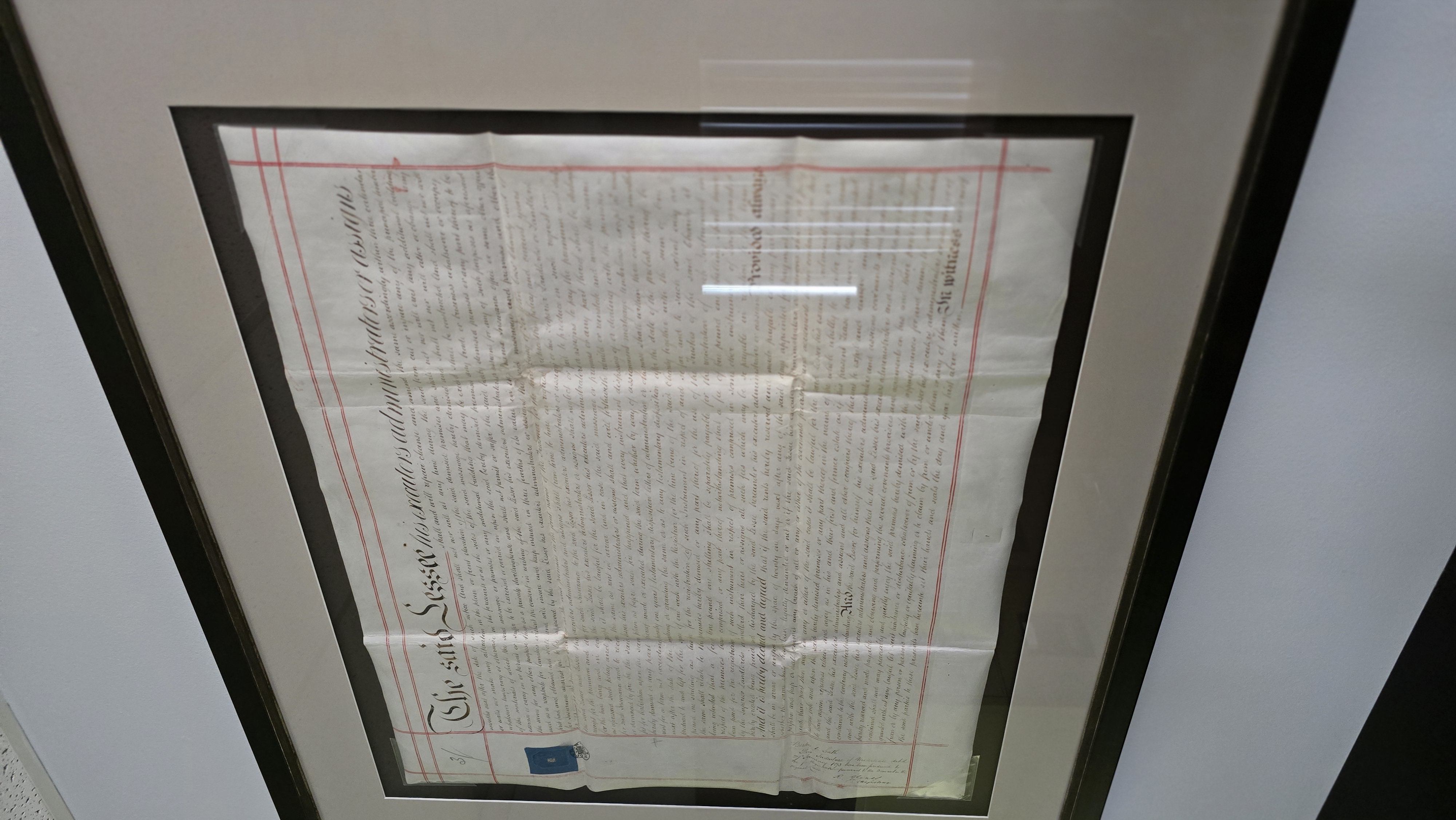
Residential Lease Agreements: What Landlords and Tenants Should Know

Renting a home is one of the most common legal relationships in the North Okanagan, yet it is often entered into with little more than a handshake and a quick signature. Whether you own a rental suite in Vernon, a carriage house in Armstrong, or an investment property in Lake Country, the lease agreement you sign shapes your rights and responsibilities for months or years to come. A clear, well-drafted agreement protects both sides and helps prevent the misunderstandings that so often lead to disputes.
At Abbey Law Corporation, we have spent more than a decade helping property owners and residents across the North Okanagan understand their real estate documents before they sign them. This article walks through the essentials of residential lease agreements in British Columbia — what they should contain, how provincial rules affect them, and where a lawyer can add real value.
What Is a Residential Lease Agreement?
A residential lease agreement (often called a tenancy agreement in BC) is a contract between a landlord and a tenant that sets out the terms under which a tenant occupies a rental property. It typically covers:
- The parties and the property. Who is renting, who is the landlord, and exactly what space is included — for example, whether a garage, yard, or storage area is part of the tenancy.
- The term. Whether the tenancy is month-to-month or for a fixed term, and what happens when a fixed term ends.
- Rent and deposits. How much rent is payable, when it is due, and what deposits are collected at the start of the tenancy.
- Responsibilities. Who handles maintenance, utilities, snow removal, and repairs.
- Rules of occupancy. Terms about pets, smoking, guests, subletting, and quiet enjoyment.
Even when a written agreement is missing or incomplete, provincial legislation still applies to most residential tenancies in BC. But relying on the default rules alone leaves both parties guessing — a written agreement makes expectations clear from day one.
How BC Law Shapes Every Tenancy
In British Columbia, most residential tenancies are governed by the Residential Tenancy Act. This legislation sets minimum standards that a lease cannot contract out of. In general terms, this means:
- Certain terms are unenforceable. A clause that conflicts with the legislation generally cannot be enforced, even if both parties signed the agreement.
- Deposits are regulated. The legislation limits what deposits can be collected and how they must be handled and returned.
- Rent increases follow provincial rules. Landlords cannot simply raise rent whenever they choose; timing and notice requirements apply.
- Ending a tenancy requires proper process. Both landlords and tenants must follow prescribed notice procedures to end a tenancy lawfully.
Because the legislation overrides inconsistent lease terms, it is worth having an agreement reviewed before signing rather than discovering later that a key clause offers no protection at all.
Common Pitfalls for Landlords
Many North Okanagan property owners are first-time landlords — perhaps renting out a basement suite in Vernon or a family home while working elsewhere. Common issues we see include:
- Using generic templates. Forms downloaded from the internet are often written for other provinces or countries and may conflict with BC law.
- Unclear maintenance obligations. Vague language about who mows the lawn, services the furnace, or clears snow leads to friction.
- Improper deposit handling. Collecting deposits beyond what the legislation permits can create liability.
- Not documenting condition. Skipping a proper condition inspection at move-in makes deposit disputes difficult to resolve later.
- Informal side arrangements. Verbal promises about renovations, rent discounts, or future purchases are hard to prove and easy to dispute.
Common Pitfalls for Tenants
Tenants have plenty at stake as well. Before signing, it is wise to:
- Read every clause. Pay attention to terms about ending the tenancy, rent increases, and additional fees.
- Confirm what is included. Utilities, parking, laundry, and storage should be spelled out, not assumed.
- Understand fixed-term commitments. A fixed-term lease can carry obligations that continue even if your circumstances change.
- Keep copies of everything. Retain the signed agreement, inspection reports, and all written communications.
When Should a Lawyer Review a Lease?
Not every rental arrangement requires legal review, but some situations clearly benefit from it:
- You own multiple rental properties and want a consistent, compliant standard agreement.
- The property is unusual — a lakefront home in Lake Country with shared dock access, an acreage in Armstrong with outbuildings, or a suite within your principal residence.
- You are renting out a property for the first time and want to start on solid legal footing.
- A dispute is brewing and you want to understand your position before it escalates.
- The tenancy interacts with a sale or refinancing. If you plan to sell or refinance a tenanted property, existing lease terms can affect the transaction.
A short review at the outset is almost always simpler and less costly than untangling a dispute afterward.
Frequently Asked Questions
Provincial legislation applies to most tenancies whether or not there is a written agreement, but landlords are generally expected to put agreements in writing. A written lease protects both parties and is strongly recommended.
Generally, no. Terms that conflict with the legislation are typically unenforceable, no matter what the document says.
In many cases, a fixed-term tenancy continues on a month-to-month basis unless the agreement or the law provides otherwise. The specific wording of the lease matters, which is one more reason to review it carefully.
No. Commercial leases are governed by different legal principles and are far more negotiable. Abbey Law Corporation assists with both residential and commercial lease agreements.
Clarity Before You Sign
Our approach at Abbey Law Corporation is simple: real estate documents should be understandable to the people who sign them. We take the time to explain lease terms in plain language, flag the clauses that matter most, and make sure our clients — whether landlords or tenants — know exactly what they are agreeing to. As a firm rooted in Vernon, Armstrong, and Lake Country, we understand the local rental landscape and the practical realities of owning and renting property in the North Okanagan.
If you are preparing a lease, reviewing one you have been asked to sign, or simply want to understand your obligations as a landlord or tenant, we are here to help you move forward with confidence.
Contact Abbey Law Corporation to book a consultation.
© 2026 Abbey Law Corporation. This article provides general information and does not constitute legal advice.