
Notarized Documents for International Use: A Step-by-Step Guide
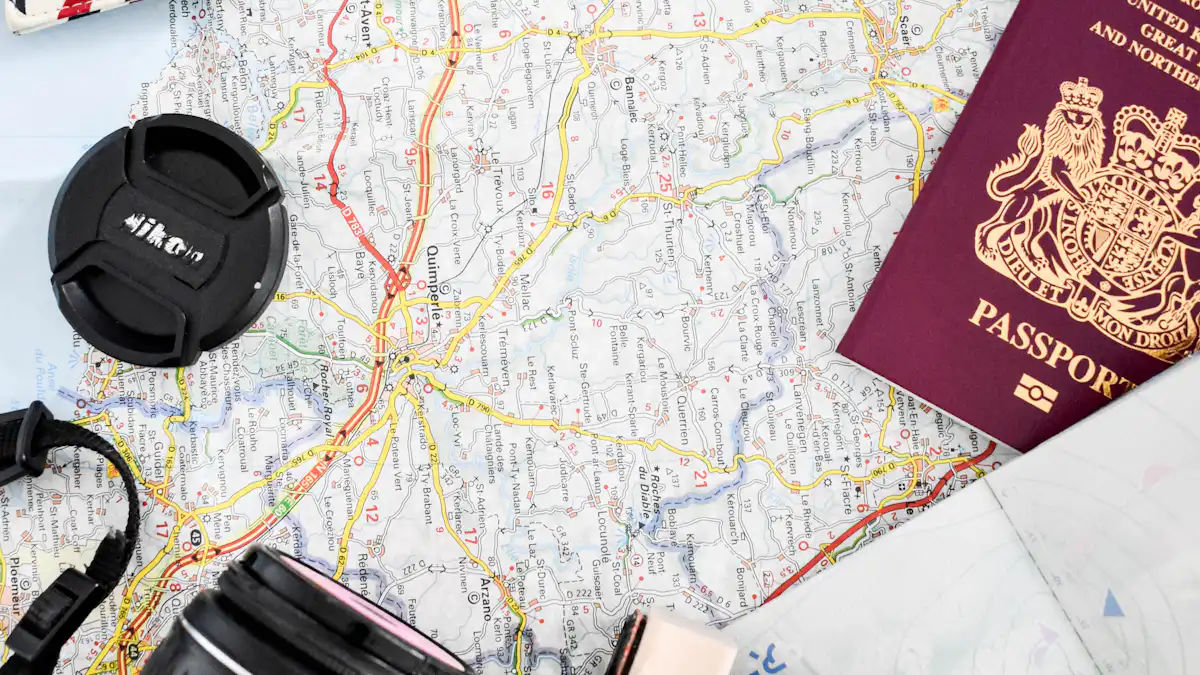
The North Okanagan may feel a world away from everywhere, but its residents are remarkably international. Families in Vernon manage property abroad or handle the estate of a relative overseas. Retirees in Lake Country spend winters in other countries. Business owners in Armstrong sign agreements with foreign partners, and newcomers throughout the region deal with paperwork from their countries of origin. Sooner or later, many of these situations require the same thing: a document signed in Canada that a foreign authority will accept as genuine.
Getting a document ready for international use involves more than a notary's stamp; it is a chain of verification, and each link has to be in place. At Abbey Law Corporation, our notary services help North Okanagan clients prepare documents for use around the world. This guide walks through the process step by step, in plain language.
Why Foreign Authorities Require Extra Steps
Within BC, a notarized document is readily accepted because local institutions can verify the notary's authority. A government office on the other side of the world has no easy way to do that. So international document acceptance works as a chain: the notary certifies your document, a higher authority certifies the notary, and, depending on the destination, a further authority certifies that certification. Each step vouches for the one before it, until the destination country is satisfied the document is authentic.
The process is commonly called authentication and legalization, and understanding it up front saves considerable time and frustration.
Step 1: Confirm Exactly What the Destination Requires
Before anything is signed or stamped, find out precisely what the receiving country or organization needs. Requirements vary widely and can be specific:
- The type of certification: some destinations require full legalization through their consulate, while others accept a simpler certificate. Canada's processes in this area have evolved, so current requirements matter more than what a friend experienced years ago.
- The form of the document: original, certified true copy, or a specific template supplied by the foreign authority.
- Language requirements: some destinations require translations, sometimes by approved translators.
- Deadlines and expiry: certain certificates are only accepted if issued recently.
The requesting party's written instructions are your best guide, and we can help you interpret them.
Step 2: Prepare and Notarize the Document
With requirements confirmed, the document itself is prepared and notarized. Depending on what is needed, this can involve:
- Witnessing signatures, where you sign the document before the notary after confirming your identity.
- Administering oaths or declarations, for sworn statements destined for foreign use.
- Certifying true copies, where the notary compares a copy against the original document and certifies it.
- Completing foreign forms correctly, including any notarial certificates the destination country requires to be attached.
Precision matters at this stage. Names must match identification exactly, and the notarization must be completed in the form the destination expects: small discrepancies are a common reason documents are rejected abroad.
Step 3: Authentication
Next, the notarized document is submitted to the appropriate authenticating authority, which verifies the notary's signature and seal against its records and attaches its own certification. In Canada, this function is handled by designated government offices, and which office is appropriate can depend on the document and destination. This is the step that tells the wider world: the person who notarized this document genuinely holds that office.
For countries participating in streamlined international arrangements, a single authentication certificate may be all the document needs. For others, one more step remains.
Step 4: Legalization, Where Required
Some destination countries require the document to also be legalized by their own embassy or consulate in Canada. The consulate verifies the authentication and adds its stamp, completing the chain. Consular requirements are particular: fees, processing times, appointment systems, and supporting materials vary from country to country, and it pays to check current instructions before submitting anything.
Once legalization (if required) is complete, the document is ready to be sent and used abroad.
Common Documents That Travel This Path
Among the documents North Okanagan clients most often prepare for international use:
- Powers of attorney authorizing someone abroad to act on your behalf, for example, to sell property or manage affairs in another country.
- Declarations and sworn statements required by foreign courts, agencies, or institutions.
- Certified true copies of identification, diplomas, and personal records for foreign applications.
- Corporate documents supporting international business: authorizations, resolutions, and certified records.
- Travel consent letters for children travelling internationally with one parent or with another adult, which border authorities may expect to see notarized.
- Estate documents connected with inheritances or property in other jurisdictions.
Practical Tips Before You Start
- Start early. Multi-step processes involving government offices and consulates take time: build in weeks, not days, where you can.
- Bring proper identification to every notarization appointment: valid, government-issued photo ID in your current legal name.
- Do not sign in advance. Documents requiring witnessed signatures must be signed in front of the notary.
- Keep copies of everything, including certificates added along the way.
- Confirm names match. If your documents show name variations, raise it early; it may need to be addressed before the chain begins.
Frequently Asked Questions
Can you notarize a document written in another language? Often, yes, particularly where the notarial act concerns your signature or a true copy. We will discuss what is possible and whether a translation is advisable for the destination.
Does notarization make my document valid in the foreign country? Notarization is the first link in the chain. Whether further authentication or legalization is needed depends on the destination's requirements.
Can you handle the whole process for me? We can complete the notarial steps, help you understand the authentication and legalization requirements for your destination, and point you toward the right authorities for the remaining stages.
My relative abroad sent me a form: can I just sign it and mail it back? If the form requires notarization or must be sworn, signing it at home will not satisfy the foreign authority. Bring it in unsigned and we will complete it properly.
Clarity Across Borders, Grounded in the Okanagan
International paperwork has a reputation for confusion, but the process is manageable when someone explains each link in the chain and gets the details right the first time. That is our approach at Abbey Law Corporation: plain-language guidance, careful notarial work, and practical help navigating what your destination country requires. Clients in Vernon, Armstrong, and Lake Country trust us to prepare documents that travel well, so their affairs abroad move forward without a hitch.
Need Notary Services?
Contact Abbey Law Corporation to book a consultation.
© 2026 Abbey Law Corporation. This article provides general information and does not constitute legal advice.