
Affidavits & Statutory Declarations: What They Are and When You Need Them
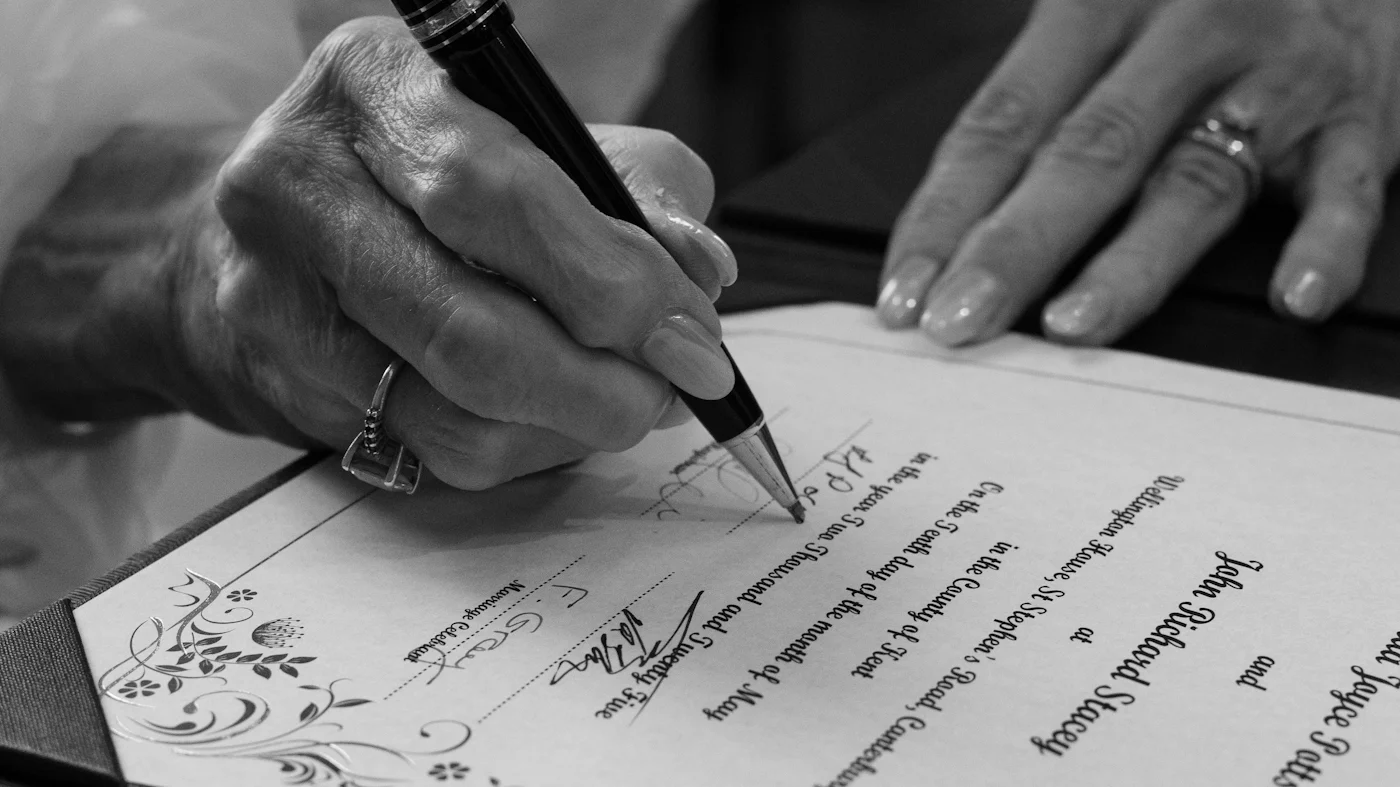
Sooner or later, most people in the North Okanagan encounter a form that cannot simply be signed and mailed. A bank, a government office, an insurer, or a court asks for something "sworn," "affirmed," or "declared", and suddenly you need an affidavit or a statutory declaration, signed in front of an authorized official. For residents of Vernon, Armstrong, and Lake Country, this often prompts the same two questions: what exactly is this document, and where do I get it done?
The good news is that these documents are routine, quick to complete with the right help, and nothing to be intimidated by. Understanding what they are, how they differ, and what to bring to your appointment makes the whole process straightforward.
What Is an Affidavit?
An affidavit is a written statement of facts that you swear or affirm to be true before a person authorized to administer oaths, such as a lawyer or notary. Because it is sworn evidence, an affidavit is most often used in connection with court and legal proceedings.
Key features of an affidavit:
- It is evidence. An affidavit puts your version of facts before a court or decision-maker in written form.
- It must be sworn or affirmed. You either swear an oath or make a solemn affirmation that the contents are true. Both carry the same legal weight.
- Accuracy is essential. Knowingly swearing a false affidavit is a serious offence. The commissioner's role includes confirming your identity and that you understand what you are signing.
- Exhibits may be attached. Supporting documents (letters, photographs, records) are often attached and formally marked as exhibits.
What Is a Statutory Declaration?
A statutory declaration is a close cousin of the affidavit. It is also a formal written statement declared to be true before an authorized person, but it is typically used outside of court proceedings, for administrative, financial, and government purposes.
Common situations where a statutory declaration is required include:
- Lost documents. Declaring that a document (such as a certificate, instrument, or item of value) has been lost or destroyed, often required before a replacement is issued
- Identity and name matters. Confirming that two versions of a name refer to the same person, a frequent request from banks and government agencies
- Real estate and construction matters. Declarations are commonly required in property transactions and by lenders at various stages of construction and financing
- Insurance claims. Insurers may require a declaration setting out the circumstances of a loss
- Government and immigration paperwork. Various federal and provincial processes require facts to be confirmed by declaration
- Common-law relationship confirmation. Some institutions ask couples to declare the nature and duration of their relationship for benefits or other purposes
Like an affidavit, a statutory declaration is a solemn statement with legal consequences for false declarations.
Affidavit or Statutory Declaration: Which One Do You Need?
In most cases, you will not have to decide: the organization requesting the document will tell you what it requires, and often supplies its own form. As a general guide:
- Court-related matters usually call for an affidavit
- Administrative and institutional matters: banks, insurers, government offices, usually call for a statutory declaration
If you have been handed a form and are not sure what it is or how to complete it, that is a perfectly good reason to bring it to your appointment and ask.
What to Expect at Your Appointment
Having a document sworn or declared is usually one of the quickest legal services there is. A typical appointment looks like this:
- Bring valid government-issued photo identification. Confirming your identity is a required part of the process.
- Bring the complete document: unsigned. This matters: the document must be signed in the presence of the commissioner, not before. If you have already signed it, you may need a fresh copy.
- Bring any attachments or exhibits referred to in the document.
- Read it carefully. You are confirming the truth of every statement. If something is wrong or incomplete, say so before signing: corrections are easy at this stage.
- Swear, affirm, or declare. The commissioner administers the oath, affirmation, or declaration, watches you sign, and then signs and completes their own portion.
The appointment itself often takes only a few minutes once the document is in order.
Common Questions
No. The entire purpose of these documents is that they are signed in front of an authorized official. A pre-signed document generally cannot be commissioned.
Never swear or declare something you know to be inaccurate, even if it seems minor. Raise it at your appointment: the document can usually be corrected before signing.
That is common, particularly in real estate transactions or estate matters. Bring everything, and mention when booking that you have multiple documents.
Both. If you have been told you need a statutory declaration but have no form, a lawyer can draft one that meets the requesting organization's requirements.
Documents destined for use abroad may need additional steps, such as authentication and legalization. It helps to mention the destination country when you book, so the right process is followed from the start.
Your choice. An affirmation is a non-religious promise to tell the truth and has exactly the same legal effect as an oath.
Straightforward Help, Right Here at Home
At Abbey Law Corporation, notarial services are part of our everyday work. Residents of Vernon, Armstrong, Lake Country, and the surrounding North Okanagan come to us for affidavits, statutory declarations, certified true copies, and other notarizations, often on short timelines, and often with a form in hand and questions to match.
Our approach is the same for a two-minute declaration as it is for a complex transaction: clear explanations, no jargon, and care taken to get the details right. If a document stands between you and a bank, a government office, or a court deadline, we can help you deal with it properly.
Need Notary Services?
Contact Abbey Law Corporation to book a consultation.
© 2026 Abbey Law Corporation. This article provides general information and does not constitute legal advice.